geography
INTENT
Our aim at Holgate Primary School and Sutton Road Primary School is to provide a rich and exciting Geography curriculum, which challenges, inspires and motivates all children to be knowledgeable, curious and critical about our world and to recognise the importance of sustainable development for the future of humankind.
- Our Geography Learning is based around the four key areas identified within the National Curriculum – Locational Knowledge, Place Knowledge, Human and Physical Geography and Geographical Skills and Fieldwork.
- All children study both physical and human geography, developing an understanding of landscapes, settlements, climate, trade, natural resources and environmental change.
- Children can interpret a range of sources of geographical information.
- When exploring the local area, children undertake geographical enquiries by asking questions, collecting, analysing and presenting data, and communicating their findings through fieldwork investigations.
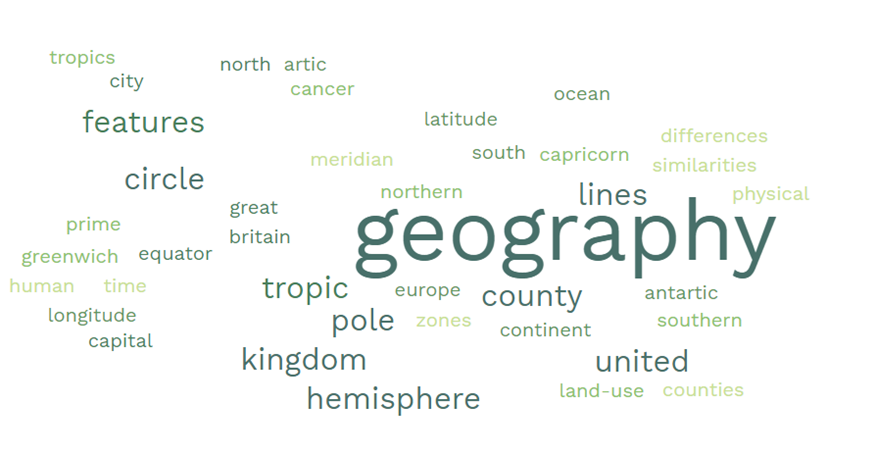
- All pupils acquire a bank of useful geographical vocabulary that they can apply to a variety of contexts.
- Geography is taught through carefully planned vehicles of learning that help pupils make meaningful connections between their local area, the United Kingdom and the wider world.
- Where appropriate, our Geography Vehicles are linked with a trip to expand pupils’ experiences.
- Our Geography curriculum is progressively more challenging from F1 through to Year 6 both in terms of the complexity of the subject knowledge we want our pupils to acquire and also the critical thinking skills we support them to utilise to ensure they understand the significance of that knowledge.
Our Geography curriculum is inclusive in terms of delivering the same curriculum to all of our pupils irrespective of specific learning needs or disabilities. Adaptations, where necessary, include in class support, providing different learning environments, alternative learning activities and assessment outcomes.
|
|
|
IMPLEMENTATION
EYFS
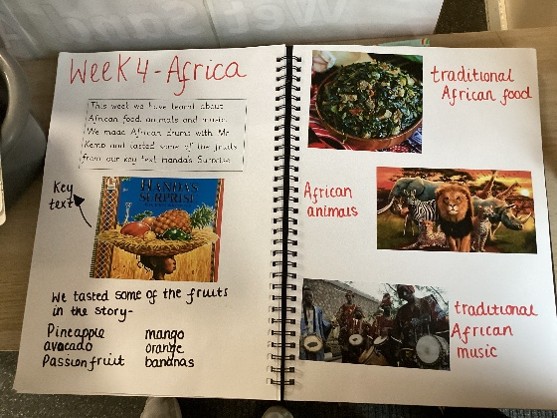
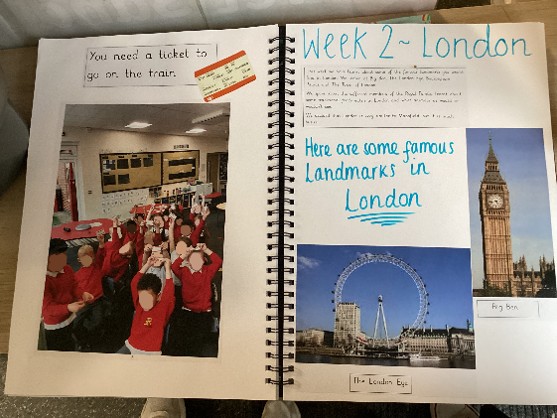
In EYFS, Our Geographical Learning links to Understanding of the World and Mathematics Children learn about the world around them and explore how places, environments, weather and seasons change over time. We use a lot of physical activities to explore the local environment and develop language use associated with this.
|
|
|
KS1
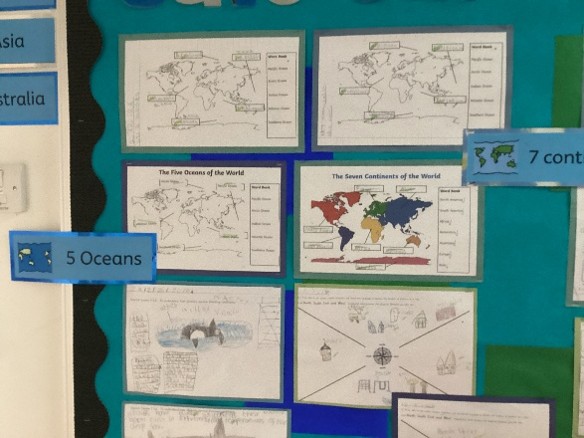
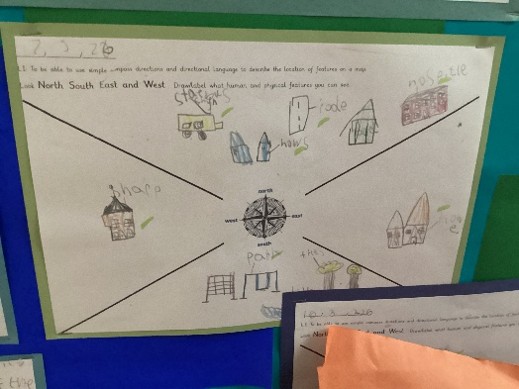
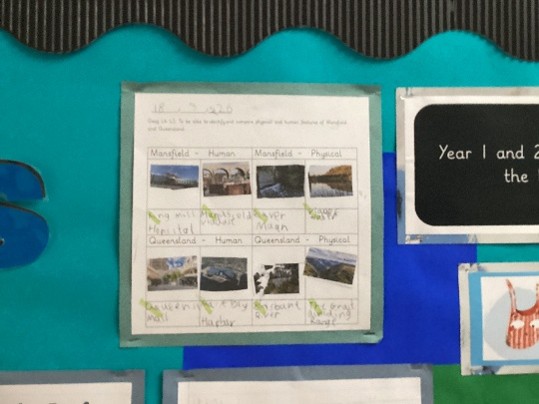
In KS1, children begin to use maps and recognise physical and human features to do with the local area, building to using maps to explore the continents and oceans of the world. Children will begin to ask and answer geographical questions. All children develop their skills in local knowledge, place knowledge, human and physical geography, geographical skills and fieldwork. Children have a range of opportunities to experience geography through practical and engaging learning both inside and beyond the classroom.
|
|
|
KS2
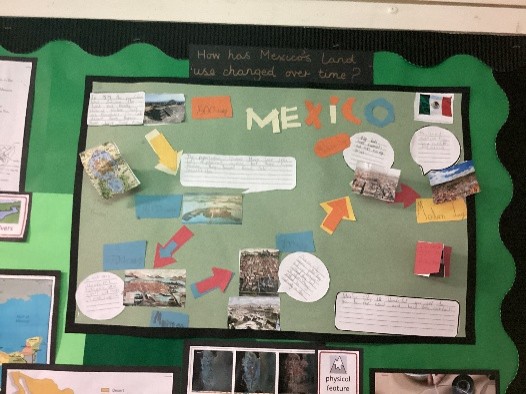
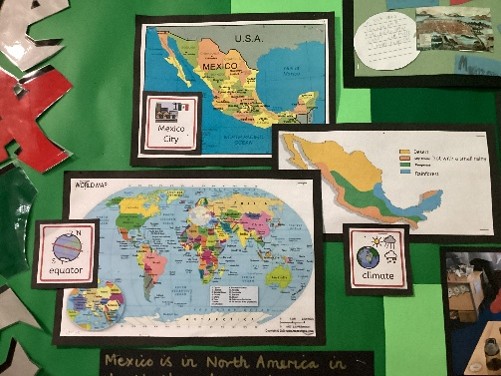
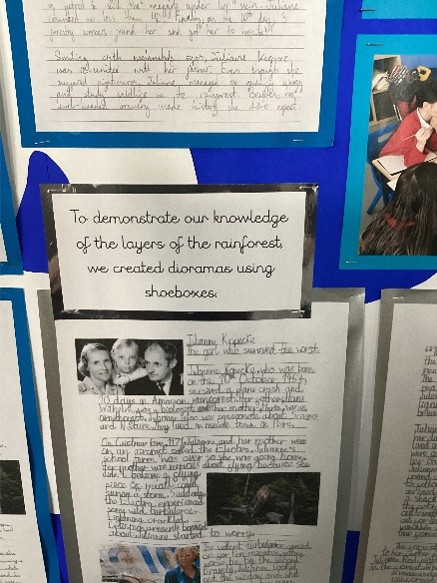
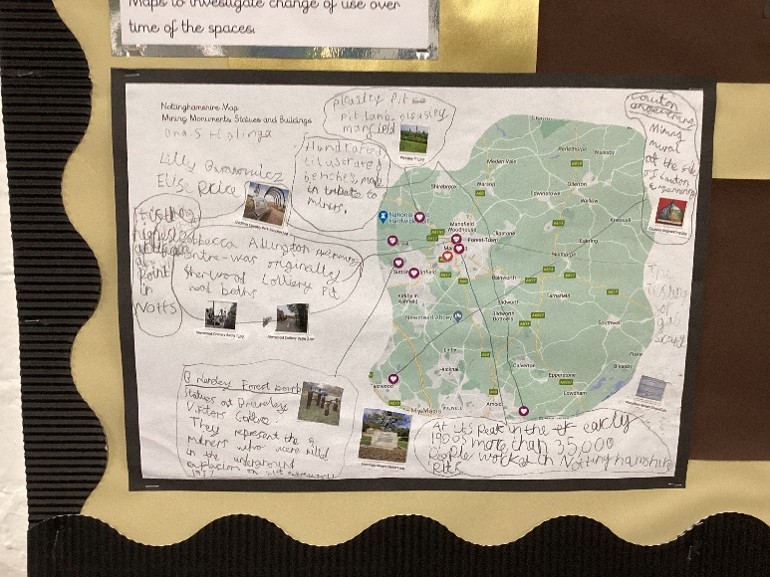
In KS2, children study a range of local, national and international locations. These include a local area study linked to mining, a European study of France, a study of Mexico within North America, a South American study including the Amazon Rainforest and studies of coastal environments and sustainability. Older pupils also explore environmental change, sustainability and the impact humans have on fragile environments. Children build on the knowledge, understanding and geographical skills developed in KS1, applying these to increasingly complex studies of places, environments and global issues. We utilise local area visits and additional school trips to enhance our Geography Curriculum and support children to develop the knowledge, skills and curiosity needed to understand the world around them.
|
|
|
|
|
|
IMPACT
Children develop a secure understanding of geographical knowledge and concepts through a carefully sequenced curriculum. They build on prior learning, developing confidence in mapwork, fieldwork, data collection and geographical enquiry. Pupils are able to use subject-specific vocabulary accurately and apply their geographical understanding to explain the world around them and consider the importance of sustainable development.